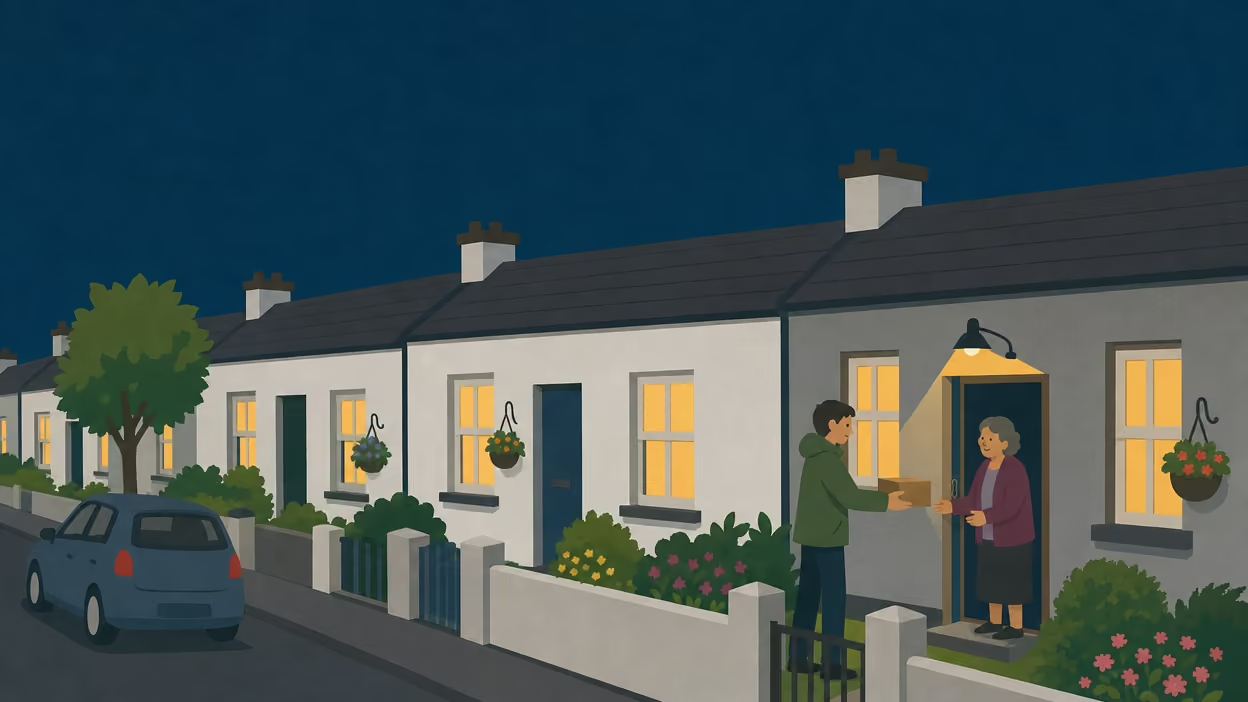
Most of what stops a burglar costs nothing. A light on, a locked back door and keys out of reach do more than any gadget. The Gardaí say most burglars are opportunists who pick the easiest house they can find.
This guide follows the Garda Lock Up Light Up campaign, which runs each winter when burglaries traditionally rise.
The scene this guide is for
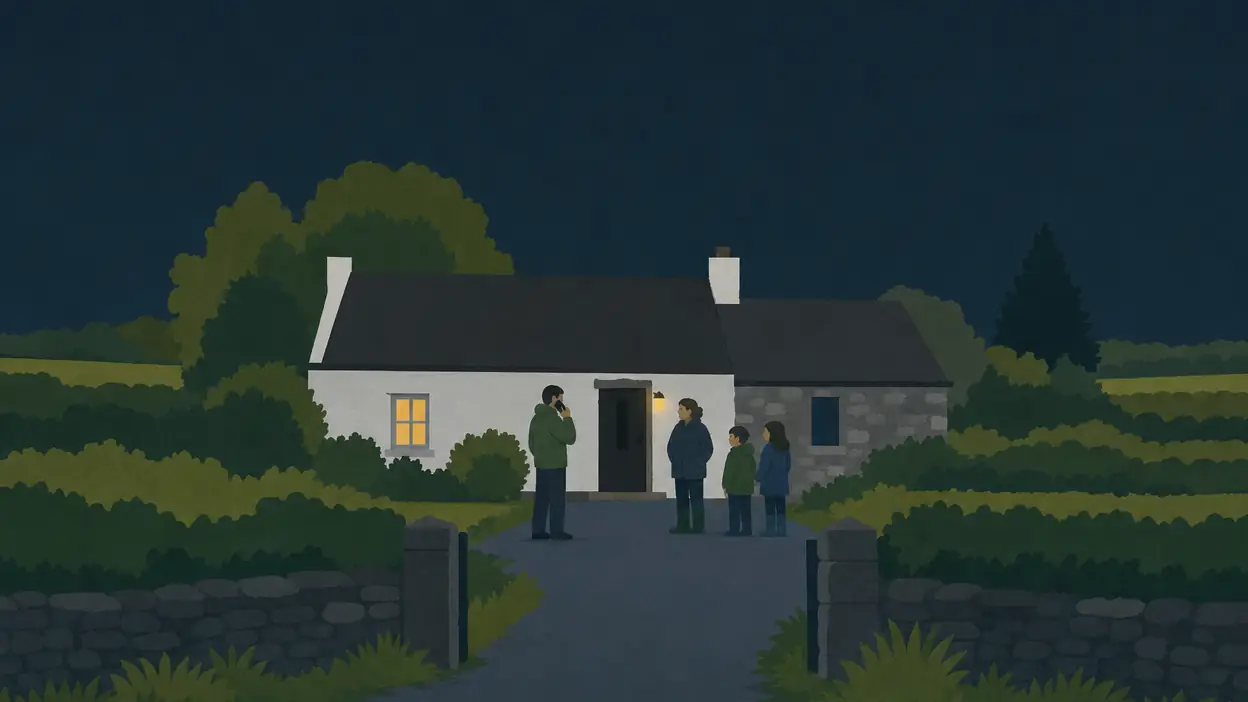
The clocks have gone back. You leave for work in the half dark and come home after six to a house that has been dark since four. The porch light is on, and has been all day. There is a flyer sticking out of the letterbox.
To a burglar, that house looks empty. The Gardaí list “no lights on at night, or just ‘dead’ lights on (porch, hall)”, lights on all day, and post building up in the letterbox among the signs they look for.
Why winter
The Gardaí say residential burglary tends to be higher in winter, because “the shorter days and longer, darker nights provide more cover” and make it easier to see if a house is empty. Their own figures show nearly half of burglaries (46%) happen between 5pm and 11pm.
The Garda winter operation, Operation Thor, runs from 1 October to 31 March. The Gardaí say winter burglaries have fallen by 75% since it began in 2015. So this is about not being the easy house, not about fear.
Free, or already in the house
Start here. None of this costs money.
- Lock every door and window, even when you are at home. One in five burglaries involves an unlocked door or window. Some people leave a small window open for air and forget it.
- Lock the side gate, shed and garage. Tools and ladders left out help a burglar get in. Put them away.
- Keep keys away from the letterbox and windows. Burglars “fish” for car keys through the letterbox, a problem the Gardaí say is worst in the Dublin region.
- Never leave a key under the mat, on a string or in a “good hiding place” outside.
- Turn on a light in a room you use, not only the porch or hall. Open the curtains in the day and close them at night, as you would if you were home.
- Do not let post and flyers pile up. Ask a neighbour to take them in, or use the An Post mail minder service if you are away for longer.
- Do not keep large amounts of cash or jewellery in the house. Jewellery and cash are what burglars take most.
- Use the alarm you have. Set it when you go out, and the Gardaí say to use it even when you are at home.
- Say nothing about a holiday online until you are home. The Gardaí advise no status updates or photos while you are away, and not tagging others who are away too.
Lights and timer switches
The Garda advice is to turn on some lights and use timer switches and motion detectors, both when you are home and when you go out. A plug-in timer on a lamp in a room you use does the job. The Gardaí note LED bulbs use less electricity than old bulbs.
For outside lights, the Gardaí suggest:
- Avoid shadows and dark corners near doors and windows.
- Fit the light out of reach.
- Aim it where you need it, and think about your neighbours and light pollution.
After a power cut, check the time on any timer switch. A timer that lost power will be wrong.
Doors and windows
The front door is the most common way in: about a third of burglaries are through the front door, most often forced with the burglar’s own body. Back doors (26%) and back windows (24%) come next.
- Good locks, fitted properly, matter more than extra gadgets. The Gardaí say a door’s strength depends on what it is made of, the quality of the locks and how well it is fitted.
- Window locks and limiters add security, but only if you use them.
- If you are replacing doors or windows, the Gardaí recommend ones tested to PAS 24 2016, or I.S. EN 1627:2011 for higher security.
- Use a deadbolt if the house will be empty for a long time.
A door chain or limiter lets you talk to a caller without opening the door fully. The Gardaí recommend one for anyone who gets callers they are not expecting. There is more on callers at the door in Safety for older people living alone.
Alarms
The Gardaí say an intruder alarm is an effective deterrent, but “not a replacement for good physical security”. If you are getting one fitted:
- The alarm should meet EN 50131.
- Alarm installers must be licensed by the Private Security Authority. Check the licence before you agree a price.
- Ask the installer to show everyone in the house how it works.
- Do not write the code on the manual, or on a wall near the keypad.
Video doorbells and cameras
A video doorbell lets you see and talk to a caller without opening the door. The Gardaí suggest one as an option for people who get cold callers. It does not stop anyone getting in, and it does not replace the locks or the chain.
Be careful where it points. The Data Protection Commission says a home camera should only record inside your own property, including your garden or driveway. If it captures people on the public footpath or street, or your neighbours in their homes or gardens, data protection law applies to you in full. The Commission says recording your neighbours in their homes, gardens or driveways is “not acceptable”.
Neighbours and your community
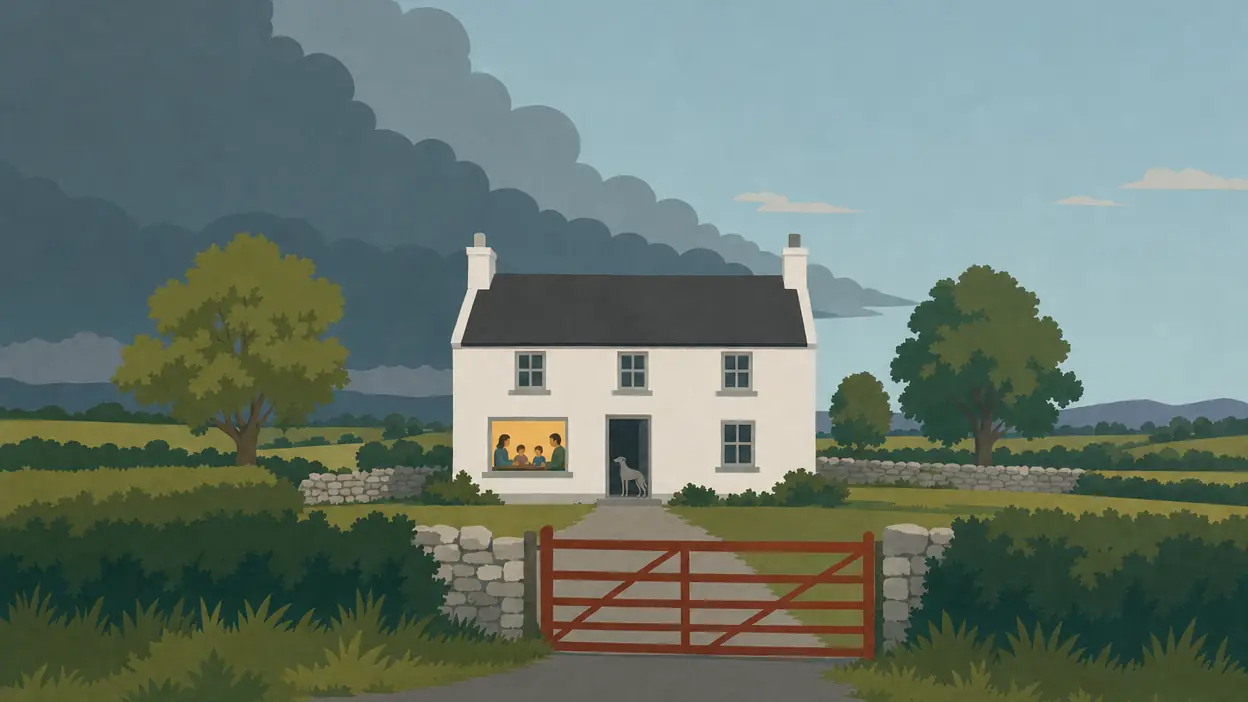
A neighbour who knows you are away is worth more than any camera. The Garda advice for an empty house is to ask someone you trust to check it at different times of the day and to take in post. You can also tell your local Garda station the house will be empty, so patrols can pass by.
Text Alert sends texts about suspicious activity in your area, from the Gardaí through a local contact. Neighbourhood Watch (towns) and Community Alert (rural areas) are local groups that work with the Gardaí. Ask your local Garda station how to join.
Mark and record what you own
- Photograph valuables and note serial numbers. It makes stolen property easier to identify.
- The Garda app lets you record your property and report a theft from it. It is free.
- Ask about property marking days run by your local community policing unit.
If you come home to a break-in
- If they have gone, ring your local Garda station to report it straight away. Gardaí will visit to take details, and you will get a case number.
- Ring your bank straight away if cards, cheque books or bank details were taken.
- Have your list and photos of valuables ready. The Gardaí will ask for a description of what was taken and any damage.
Cannot make a voice call? Text 112.
The emergency text service can be used by "anyone who is not able to make a voice call due to a speech or hearing impairment or other situations where a voice call might not be possible". It works "from any Irish registered mobile phone (either pre-pay or bill pay) on all the Irish Mobile networks". If you can talk, ring instead: a text is slower.
Your text needs four things:
- Which service: Ambulance, Coastguard, Fire or An Garda Síochána.
- What the problem is.
- County you are texting from.
- Where help is needed: town, road, Eircode or a landmark.
Wait for a reply: "an SMS/Text 'Delivery Report' does not mean your message has been received". If no reply comes within 3 minutes, send another message straight away. It does not work from a foreign phone, or from an Irish phone roaming abroad, including in Northern Ireland.
No registration is needed. 112.ie says: "There is no preparation or registration required to use either Emergency SMS, or RTT when contacting the ECAS." If you might need to text one day, you can choose to give the service your address, access details and a next of kin in advance at 112.ie/register. Most smartphones can also use Real-Time Text to type during a call to 112 or 999: turn on RTT in your phone’s accessibility settings.
The Gardaí say burglary is “a particularly insidious crime” that can leave a home feeling unsafe for a long time. It is normal to feel shaken. The Crime Victims Helpline is free and confidential: 116 006.
Common questions
When do most burglaries happen in Ireland?
Garda figures show nearly half of burglaries (46%) happen between 5pm and 11pm, and burglaries tend to rise in winter when the evenings are dark.
Do timer switches really help?
Yes: the Garda Lock Up Light Up advice is to use timer switches so the house looks occupied when you are out. The Gardaí list a dark house, or only a porch or hall light on, among the signs burglars look for.
Can I point my video doorbell at the street?
A home camera should only record inside your own property, including your garden and driveway. If it records people on the public footpath or street, data protection law applies to you in full.
What standard should a house alarm meet?
The Gardaí say alarms should meet EN 50131 and be fitted by an installer licensed by the Private Security Authority.